Historically the oceans have been treated as an inexhaustible supply of food, a shipping route and a convenient dumping ground — too vast to be affected by anything we do.
In recent decades the evidence has become difficult to ignore. Overfishing, pollution from land and air, coastal development and climate change are pushing marine ecosystems to their limits. The risk of irreversible damage threatens not only habitats and species — many only recently discovered — but human health and security.
These facts change daily. What does not change is the need for awareness and action.
Nine things worth knowing
- One ocean, many borders. There are more than 150 Exclusive Economic Zones where coastal nations exercise sovereignty up to 200 nautical miles from shore. Some 5,000 marine protected areas cover less than 2% of the world’s oceans. Menjangan Island and Nusa Penida are newer protected areas around Bali where we dive.
- Reefs are small and essential. Coral reefs cover less than 1% of the ocean floor but support an estimated 25% of all marine life. They are sources of medicines, supplements and cosmetics, and they buffer shorelines against waves, storms and floods.
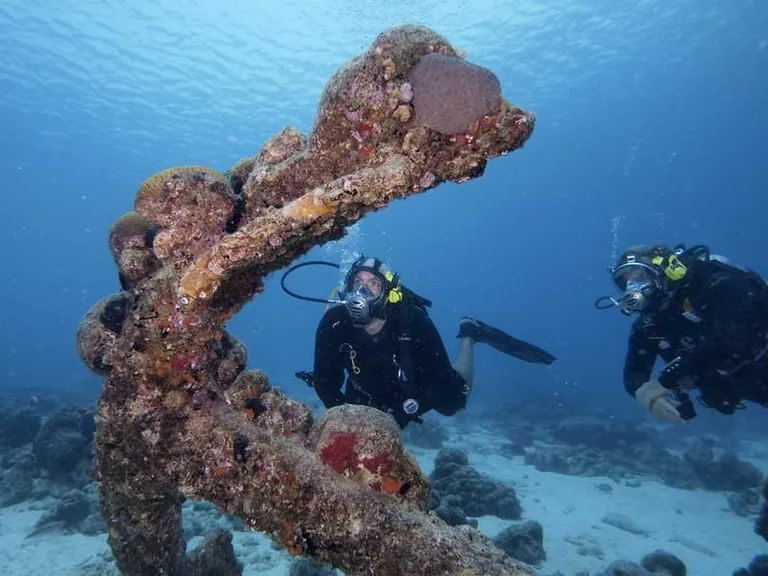
- Shipping leaves a mark. Oil spills, groundings, anchor damage and the dumping of rubbish, ballast water and oily waste endanger marine life and habitats.
- The seabed is being mined. Oil, gas and mineral prospecting is advancing into sensitive habitats, often with little consideration for the species that live there.
- The ocean absorbs what we release. Untreated sewage, garbage, fertilisers, pesticides and industrial chemicals end up in the sea. In some places this has poisoned marine life and decimated entire environments.
- Warming changes everything. Climate change affects plankton and corals — the primary producers for nearly all marine life. Research and policy action are urgently needed.
- Overfishing empties the system. Three-quarters of the world’s fisheries are fully exploited or overfished, and billions of unwanted fish die needlessly each year.
- Predator loss cascades. Removing predators releases prey populations and can trigger irreversible knock-on effects that destabilise entire ecosystems.
- Habitat loss has a hard limit. Coastal development, trawling and aquaculture all reduce the living space available to marine life.
The ocean is not too big to fail. It is too connected to ignore.
These are the facts we share with guests — not to burden the dive, but to deepen it. Understanding what you are looking at is part of seeing it.
